

Market
The dairy industry is shaped by global trends, which create both opportunities and challenges for DeLaval’s market. The current major trends include:
Long-term dairy demand continues to grow, while supply may struggle to keep pace
As income and populations increase, the demand for dairy products increases globally, especially in dairy-deficient regions. With environmental policies and regulations limiting herd expansion in major dairy‑exporting regions, future growth in milk production will rely more on improved yields per cow than on increasing herd size.

Macroeconomic challenges
Slow economic growth, geopolitical instability, protectionism and potential trade barriers, increased cost of living and high interest rates are all challenges for DeLaval and the wider dairy industry. The year 2025 stands out as one of the strongest for milk prices and farmer profitability, driving higher milk production. This favourable trend is now easing as supply has begun to exceed demand.
Ongoing farm consolidation
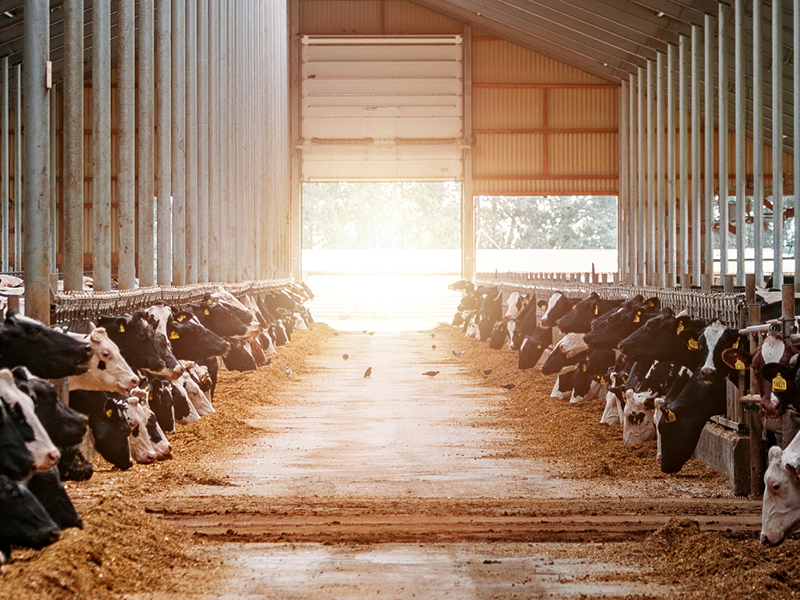
Ongoing consolidation into larger-scale operations is reducing cost pressures while improving operational efficiency. New opportunities will emerge for progressive farmers who are growth-oriented and invest in more efficient and sustainable production. There is a growing demand for solutions that promote automation, digitalisation and sustainability in the dairy industry.
SUSTAINABILITY
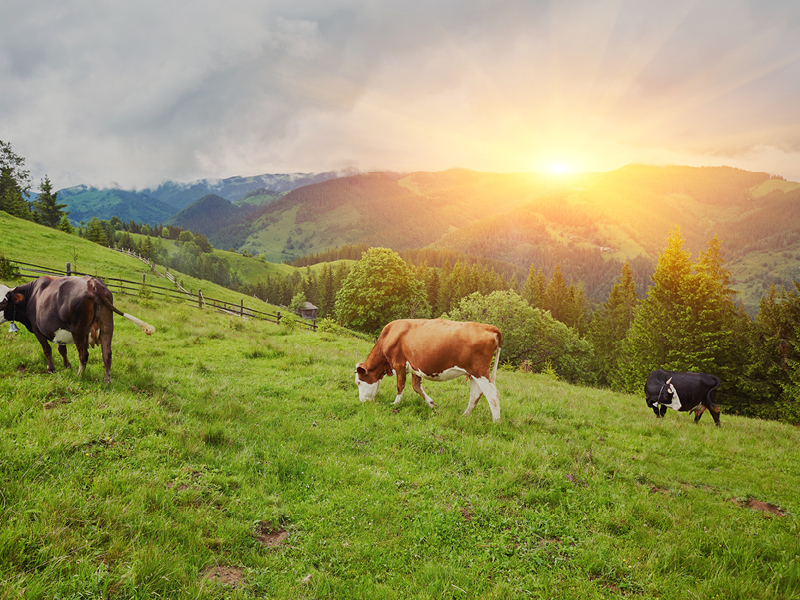
Consumer expectations on sustainability are increasingly reflected in agricultural policies, subsidies and incentives from dairy processing companies and retailers. This will continue to trigger sustainability investments by farmers. The ‘social license’ of dairy farmers to produce milk in developed countries will be tied to reducing the sector’s carbon footprint. The biggest impact DeLaval can have on sustainability is by helping farmers become more efficient and productive.
DIGITALISATION
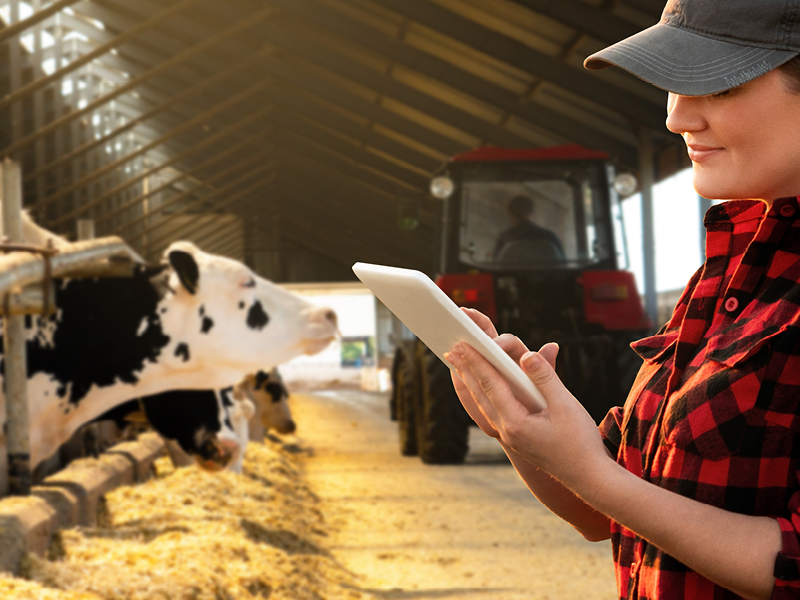
Digitalisation is changing the competitive landscape and creating new business opportunities. Digital solutions are enabling dairy farmers to improve nutritional security, animal health and increase productivity by providing valuable insights that enable informed decisions. Data is becoming critical for farmers to demonstrate improvements, comply with regulations and benefit from incentives.
LABOUR COSTS AND SHORTAGES
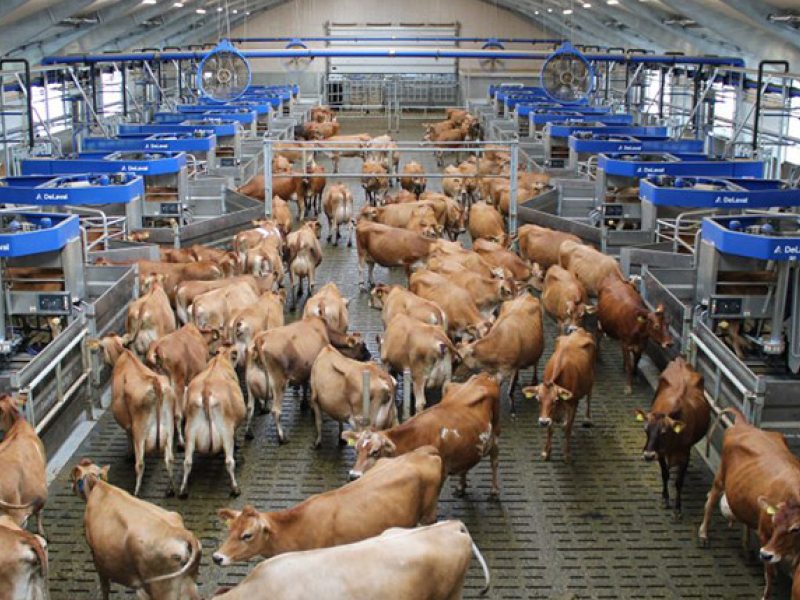
Investments in automation and milking robots will continue to be driven by high labour costs and low availability. Such investments in automation are often a prerequisite for new generations on family-owned farms.
Technology
DeLaval’s smartest milking robot yet
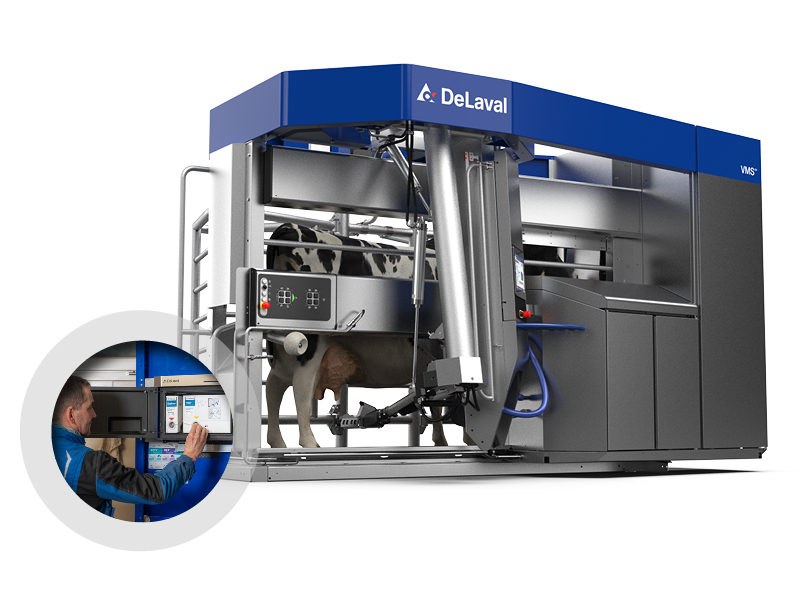
The updated DeLaval VMS™ V300 milking system incorporates new technologies designed to support smarter, faster and gentler robotic milking. Developed in close collaboration with farmers, the system includes several innovative capabilities such as Flow‑Responsive™ Milking and DeLaval BioSensors Milk Cell Analysis (MCA).
It also has a larger box to accommodate a wider range of cow breeds and sizes, helping to improve comfort during milking.
“Our new model focuses on the key needs of modern dairy farmers, with features intended to enhance productivity, animal welfare and more sustainable farming practices,” claimed Thibault Burg, EMEA Solution Manager for VMS at DeLaval. “Overall, it helps customers to milk better than ever – that’s what we call milking without compromise.”
Flow‑Responsive Milking
Flow‑Responsive Milking sets a new standard for robotic milking by maintaining a steady preset teat‑end vacuum, resulting in a more gentle and consistent milking process and reduced milking time – with farmers reporting up to 40 seconds saved per cow per milking.
This technology received industry recognition during 2025, including the Innovation Award in the Sustainability & Technology category at the Rundvee & Mechanisatie Vakdagen (RMV) Hardenberg exhibition in the Netherlands, and the Innov’Space Award at the SPACE exhibition in Rennes, France.
“Our new model focuses on the key needs of modern dairy farmers, with features intended to enhance productivity, animal welfare and more sustainable farming practices.”
Enhancing milk quality with a breakthrough sensor
Milk Cell Analysis (MCA) can be added as an optional feature to further enhance the milking experience. This revolutionary, compact sensor uses advanced optical technology to monitor udder health and count somatic cells in milk, helping farmers improve udder health management, milk quality and overall herd health.
It also helps to make dry-off decisions to reduce unnecessary antibiotic treatments and promote responsible dairy farming practices. The MCA is part of DeLaval’s comprehensive suite of solutions aimed at improving dairy farm productivity and animal welfare. These support a holistic approach by focusing on animal health, milking efficiency and data‑driven decision‑making.
Get the most out of your VMS with advanced digital services
During 2025, new DeLaval Plus applications and features were added, further complementing DeLaval’s latest VMS and helping farmers get more value through data‑driven insights and smarter day‑to‑day management.
New DeLaval Plus applications include Milking Queue, designed to streamline and optimise the VMS milking process, and cooling monitoring applications, which give farmers remote access to their milk cooling tank. By continuing to enhance DeLaval Plus with new capabilities and functionalities, we are helping dairy farmers to meet higher demands for efficiency, animal welfare and environmental responsibility – now and in the future.