Market
Sidel is a market thought leader, offering customers valuable insights into the global megatrends shaping the beverage, food, home, personal care and packaging industries. We help our partners to develop effective strategies to navigate these forces, which range from quality, innovation and sustainability to health, variety and the constantly evolving preferences of today’s consumers. The current major trends include:

LIQUID DAIRY PRODUCTS (LDP) AND PLANT-BASED ALTERNATIVES
The LDP and plant-based alternatives market is dynamic, with health benefits driving consumer appeal. Protein-rich and functional beverages cater to wellness-minded and active consumers, and flavoured dairy beverages offer dessert-like indulgence. Growth in this market is expected at a CAGR* of 1.5% by 2028.

JUICE, NECTAR, SOFT DRINKS, ISOTONIC AND TEA (JNSDIT)
The JNSDIT market, with high tea volumes in China, is responding to growing preferences for health, functionality and convenience. Enriched, lower-sugar drinks support wellness, and ready to drink tea and energy drinks accommodate busy lifestyles. Growth in JNSDIT is anticipated at a CAGR of 4.1% by 2028.

WATER
Water is expected to account for the greatest proportion of growth in the coming years, with the fastest growth in India. Flavour innovation focuses on natural, exotic and sensory experiences, while functionality and eco-friendly packaging appeal to consumers. Growth is projected at a CAGR of 4.9% by 2028.

CARBONATED SOFT DRINKS (CSD)
CSD trends show growing demand for healthier and sustainable options, bold flavours and premium experiences, with growth regions in Asia, Latin America and Africa. Alcohol moderation fuels alternatives, while category blurring creates new hybrid products. The market is projected to increase at a CAGR of 2.0% by 2028.

BEER, WINE AND SPIRITS
Beer trends highlight low- and no-alcohol options with new and seasonal flavours attracting younger consumers, while premium and sustainable packaging enhance differentiation. Wine and spirits are evolving towards experience-led consumption in health-conscious moderation. Growth is expected at a CAGR of 1.4% by 2028.

FOOD, HOME AND PERSONAL CARE
Consumers demand transparency, safety, sustainability and affordability in food, home and personal care markets, with engagement driven by health, sensory appeal and personalisation. Food market growth is expected at a CAGR of 2.0% by 2028, and home and personal care growth is expected at a CAGR of 2.1% by 2028.
Technology
A new era in blow moulding
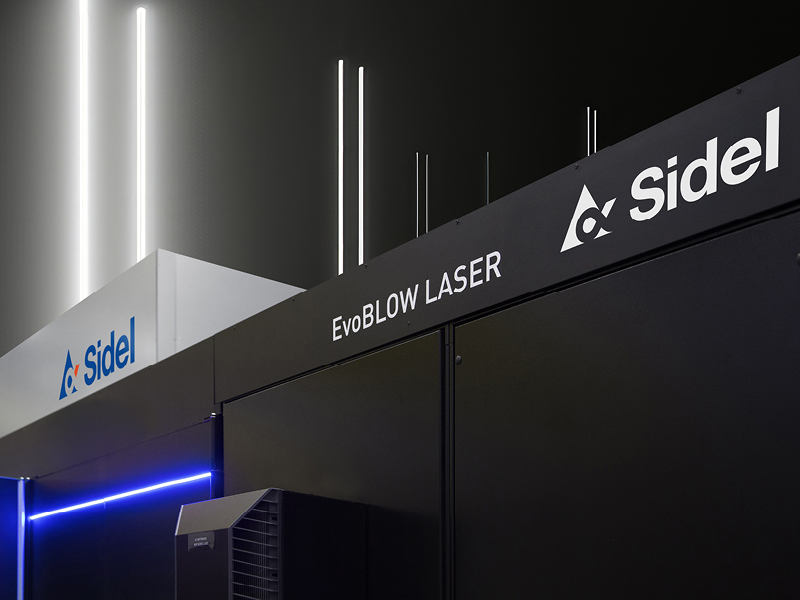
The EvoBLOW Laser is a technological breakthrough that delivers lighter, yet stronger PET containers, setting new standards in lightweighting. At the same time, it enhances production line efficiency by eliminating warm-up or transition time and allowing for real-time speed modulation. Consistent quality comes with ease, as laser technology is not sensitive to variations in the environment, unlike traditional solutions.
This new blow moulding technology facilitates higher recycled PET content, reduces waste and provides energy saving opportunities. It also delivers design freedom through invisible Power Rings™ that replace the bulky ribs of traditional bottles to allow lightweight premium bottles.
“Sidel’s launch of the EvoBLOW Laser demonstrates three essential ingredients working in harmony – innovation, customer partnership and commitment,” said Pietro Cassani, Sidel President and CEO. “The EvoBLOW Laser not only lives up to Sidel’s name and pioneering history but is a timely answer to the increasing pressure faced by producers today – to reduce costs while at the same time increasing sustainability and performance.”
Meet Aseptic Predis X4® – the perfect match for today’s market needs
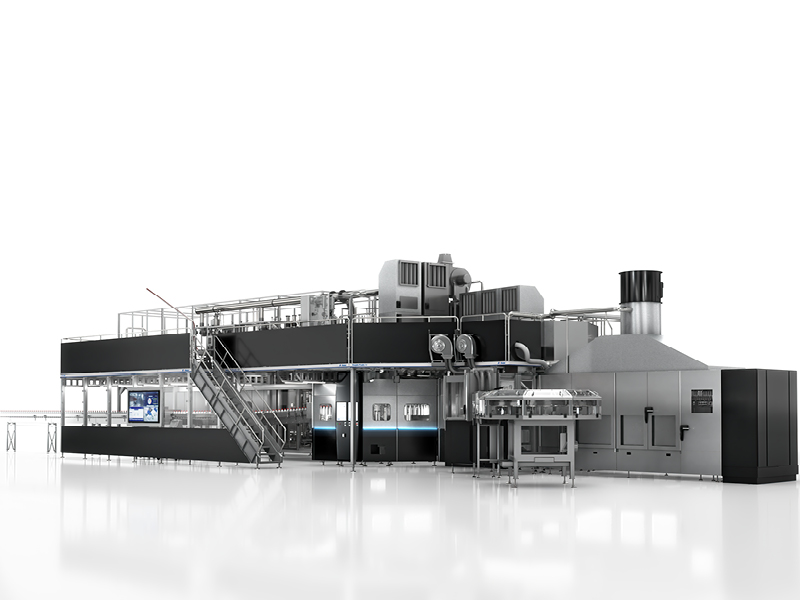
The Aseptic Predis X4 is an integrated blow-fill-cap solution that incorporates Predis® dry preform sterilisation, making it ideal for sensitive beverages in PET bottles. The system combines the highest food safety standards, ease of use, extreme flexibility and sustainability advantages.
The technology ensures a high level of decontamination, minimising the sterile zone while maintaining high performance. It includes features such as a ‘smart box’ for monitoring aseptic conditions without stopping production. Its sustainable design uses no water for sterilisation, minimises greenhouse gas emissions and chemical use, and reduces air consumption through 100% blow-air recycling.
Sidel’s offering for sensitive products extends well beyond the line equipment itself to achieving optimised performance over time. As partners, Sidel leverages its expertise in everything from product characterisation to modular services once the line is in production and provides state-of-the-art training globally.