
Tetra Laval world trends
– an overview
Tetra Laval Group donated €10 million towards COVID-19 relief efforts
The COVID-19 pandemic made an unprecedented impact on communities worldwide. To support the global response to this crisis, the Tetra Laval Group donated €10 million to various voluntary organisations supporting the health care systems across the countries that we operate in.
While maintaining important measures to ensure the health and safety of its employees, the Tetra Laval Group which comprises Tetra Pak, Sidel and DeLaval, is fully committed to play its part in ensuring uninterrupted food supplies during these difficult times.
TETRA PAK
Responsible consumption
Health and environment are among the biggest drivers of consumer behaviour. These two concerns have started to merge and consumers now want products that are healthy for both people and our planet. People want to consume mindfully and that their diet provides sustained nutrition and good quality. In the environmental sphere, the narrative is shifting to genuine harm reduction. For example, consumers are becoming more serious about offsetting. But more often, they want to be responsible for their everyday choices. This makes it important for brands to give consumers the information they need to enable informed choices.
Brands also need to show they act responsibly by fighting physical and mental illness, pollution and other health related issues affected by our choices.

TETRA PAK
Growing e-commerce and food delivery services
According to McKinsey & Company, the global food delivery market was worth €83 billion in 2018. Almost three quarters of orders are still made by phone, but consumers that are accustomed to shopping online through apps or websites increasingly expect the same experience when ordering food. Online platforms are emerging to sell and deliver food, and retailers are increasingly tapping into these online opportunities to provide consumers with meal delivery services, or affiliating themselves with foodservice companies. Tetra Pak helps brands develop single-serve pack sizes or meal kit solutions specifically tailored for online channels and home delivery.

SIDEL
Mass personalisation calls for flexible manufacturing
The growing consumer demand for varying formats and recipes requires shorter production batches – and ultimately an increased need for flexible manufacturing.
Our customers’ top priorities are faster product and format changeovers, simpler operations and streamlined processes. At the same time, absolute product quality, minimal Total Cost of Ownership (TCO) and the ability to prepare for future production needs must all be guaranteed.
Flexible manufacturing is an area that Sidel specialises in. We help liquid food manufacturers perform changeover activities in an easy, replicable and quick way – to optimise scheduled downtime and maintain production quality and efficiency aligned with Overall Equipment Effectiveness (OEE).

TETRA PAK
Clear label aspirations
Transparency has never been more important with today’s well-informed but sceptical consumers who are concerned about health, safety and where their food comes from. This affects consumer brand relationships, with many seeking reassurance from cleaner labelling that ensures greater transparency. Clean label products are increasingly looking beyond the ingredient statement to provide full transparency on processing, packaging, transport and sourcing. Tetra Pak can provide packaging that provides transparency and traceability to reassure consumers, and even profile ethical and environment-friendly brands.

DELAVAL
The importance of dairy efficiency for climate emissions
The 2019 UN Food and Agriculture Organisation (FAO) report ‘Climate change and the global dairy cattle sector’ showed that total milk production volumes increased 30 per cent between 2005 and 2015 while absolute emissions grew 18 per cent. Without the productivity gains made by dairy farmers, emissions would have grown by 38 per cent.
The report also identified large geographic differences in CO2 emissions. A kilogram of milk produced in sub-Saharan Africa for example releases 6.6 kg of CO2 whereas the corresponding figure in North America is 1.29 kg. For us at DeLaval, this highlights that we can make a significant difference by reducing emissions – to decrease the overall environmental impact of dairy farming globally.
SIDEL
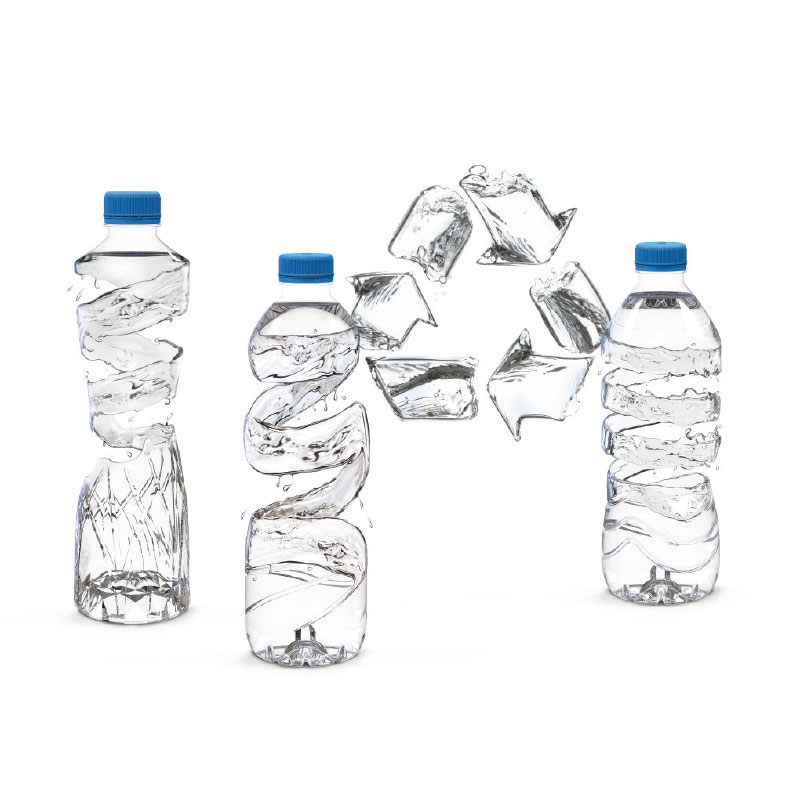
Care for the environment puts focus on sustainable packaging
Sustainable packaging is a clear priority for our planet. At Sidel, we
respond to this demand by continuously working on reducing the carbon footprint of our equipment and optimising our packaging portfolio. Our ‘Options and Upgrades’ and Packaging services, for example, help our clients become ‘greener’ through solutions aimed at prolonging the lifetime of their equipment, reducing resource consumption and strengthening the performance of their bottles. In recent years, Sidel has made considerable progress in this regard in the equipment we offer – for instance the Sidel Matrix™ blower is an environmentally responsible solution that minimises the energy, air, chemicals and water used in the production process.
DE LAVAL
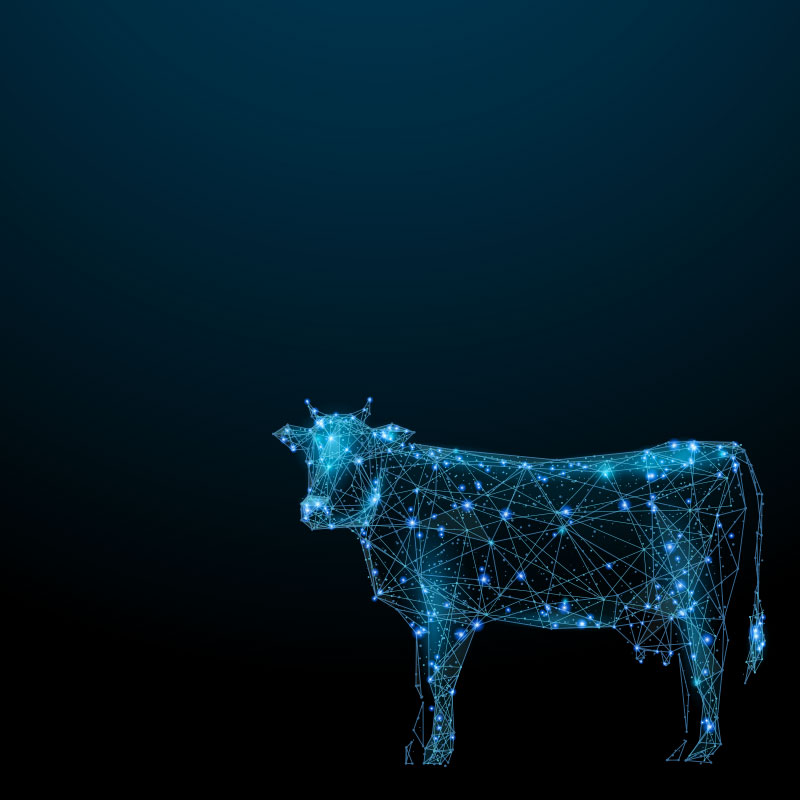
Enabling precision dairy farming
Digital technologies are becoming increasingly important for the dairy industry to operate more efficiently and sustainably. The greater use of data collection tools, such as sensors, and more sophisticated farm hardware and software is driving the demand for analytical and technical skills.
Technological tools are a great help when overcoming herd management challenges – to enhance efficiency, animal productivity and comfort. Product traceability in the food chain is another advantage of digital technologies, which creates value for farmers, processors and consumers. Greater understanding of the economic pay-off and user-friendliness of precision dairy farming will drive the adoption of such new technologies by farmers.