

Market
The food and beverage industry continuously evolves to meet ever-changing consumer preferences and needs. Understanding consumer behaviour is essential for remaining competitive in a challenging market.
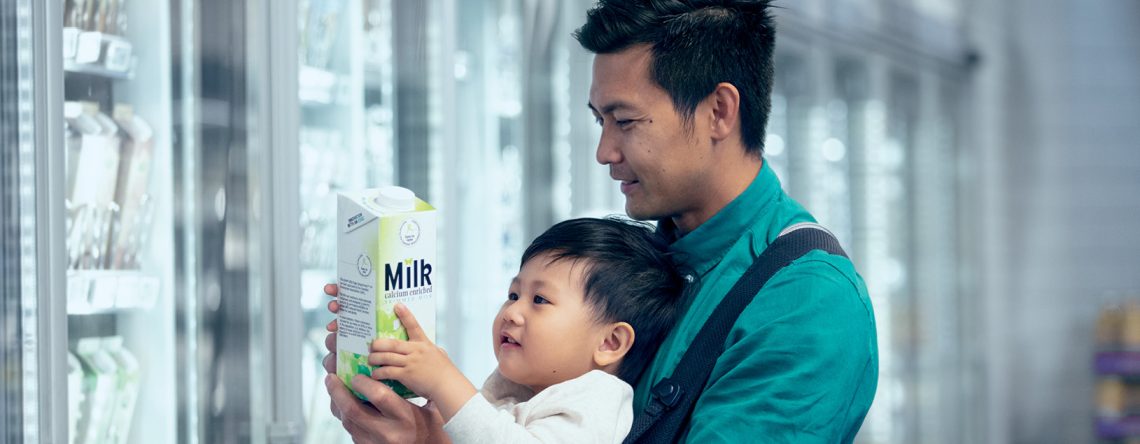
Liquid Dairy Products
Global white milk consumption is projected to grow at an annual rate of 2.2% until 2027. Flavoured milk accounts for a smaller proportion of the market and is expected to increase by 1.6% annually during the same period. The growth of white milk is primarily driven by factors such as health benefits, naturalness and sustainability.

JUICEs AND NECTARs
After a few challenging years of decline, the category has recovered. Navigating the rise in ingredient prices and reducing sugar content drive innovation in functionality and new consumption occasions.

CULINARY CATEGORIES
The increasing interest in nutrient-rich products with functional benefits that enhance wellbeing while emphasising value through quality ingredients and affordability drives culinary category growth. The category is projected to grow at an annual rate of 1.6% through 2027.
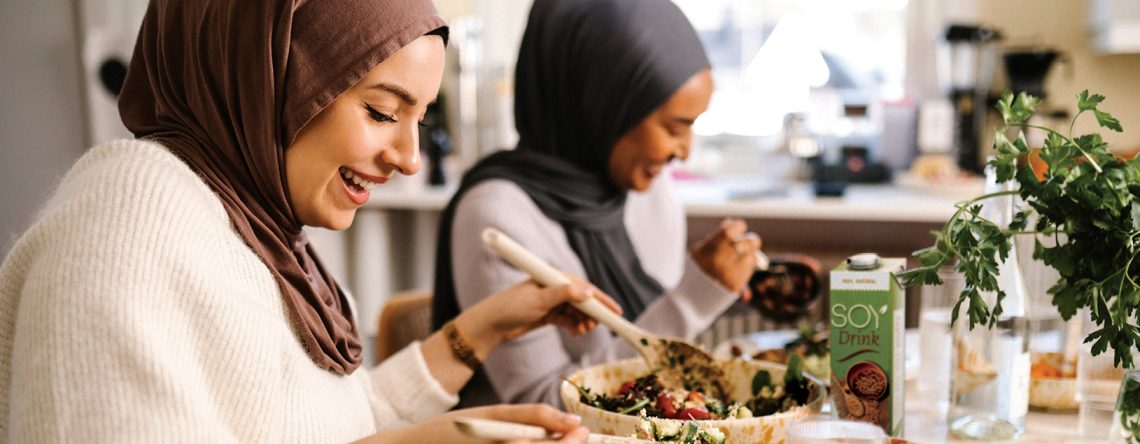
PLANT-BASED PRODUCTS
After steady growth in recent years, the consumption of plant-based beverages and non-dairy creams has stabi- lised. The category will continue to grow at an annual rate of 1.0% until 2027.
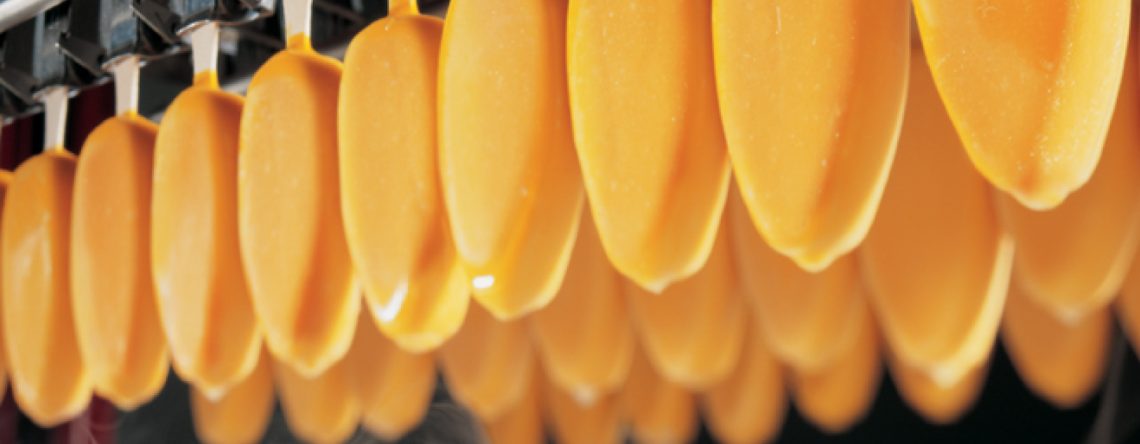
ICE CREAM
Annual ice cream consumption is projected to annually grow by 2.2% through 2026. Innovations in flavours and textures are driven by the trends of comfort and permissible indulgence, as well as functionality and sustainability.
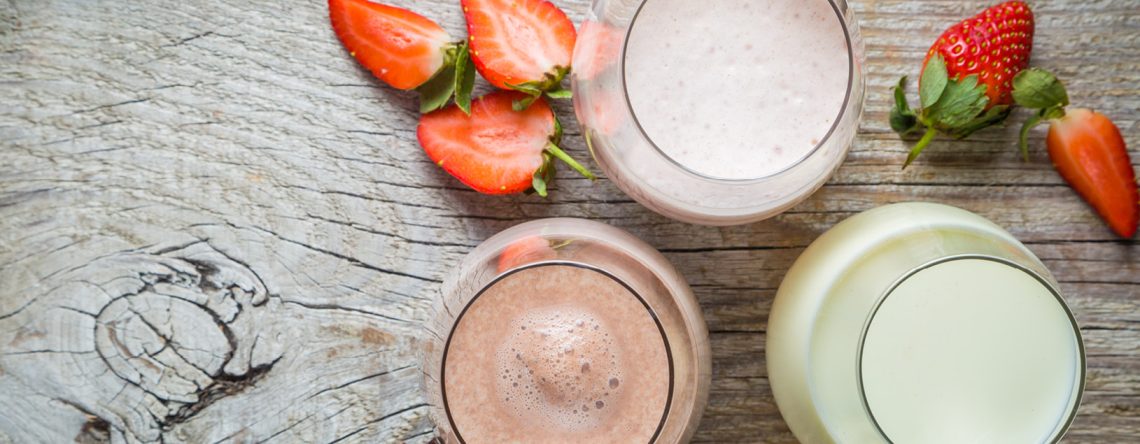
FOOD SUPPLEMENT AND NUTRITION
The category is being driven by the increasing consumer demand for products that boost nutrition. The ready-to-drink sports nutrition segment is expected to expand by 17.3%, while products aimed at weight management, special dietary and protein lifestyles are projected to annually grow by around 5% through 2027.

READY-TO-DRINK TEA AND COFFEE
RTD coffee is growing rapidly, with a projected 2.0% annual growth through 2027. Key trends such as convenience, premiumisation, indulgence and health function- ality are fuelling this demand. RTD coffee comes in diverse packaging and caters to various preferences with coffee-based, milk-based and plant-based options. Tea drinks are expected to grow at an annual rate of 1.2% until 2027.
Technology
Tetra Pak’s advanced services take customer efficiency and savings to the next level
Tetra Pak’s advanced services set it apart by helping customers optimise equipment performance from day one. Leveraging more than 70 years of industry data and expertise, Tetra Pak identifies areas for improvement, to achieve overall equipment effectiveness increases of up to 15%.
“We promise customers a certain level of performance and operational cost, and we stand by our promise by sharing both the risks and rewards,” said Sasha Ilyukhin, Vice President Processing Services Solutions at Tetra Pak. “Improved productivity, quality, sustainability and total cost of ownership all go hand in hand.”
In 2024, Tetra Pak helped a US customer identify US$1.7 million in savings and reduced its annual water use by 324 million litres (equivalent to 120 Olympic swimming pools). For another customer in the Middle East, energy savings of 2.5 GWh per year were achieved.
Tetra Pak’s remote services that draw on comprehensive equipment sensors resolved 94% of cases remotely in 2024, minimising customer downtime and the need to travel. In 2025, Tetra Pak plans to expand its advanced capacity-as-a-service model, securing customers an outcome measured in litres or packages produced per year.

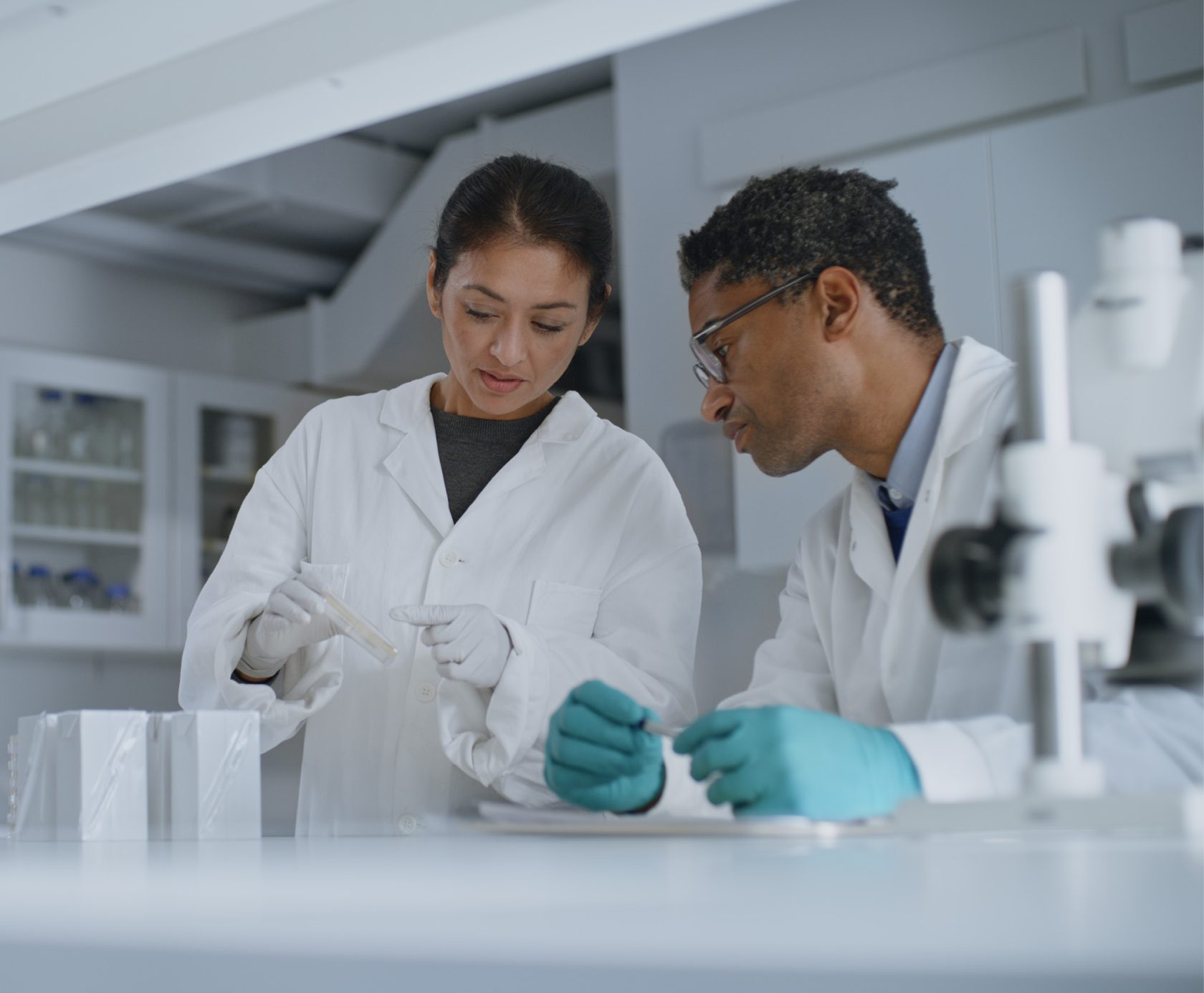
New Swedish biotech lab paves way for Tetra Pak’s future capabilities
Tetra Pak has established a biotech lab at Lund University in southern Sweden to enhance knowledge and create new collaboration opportunities on the processing of new foods. A team of Tetra Pak’s senior microbiology and biotechnology experts are based at the lab to manage various biotech trials.
“Our biotech lab will help us to better understand the behaviour of different types of microbes for food production under certain circumstances, such as what happens when we increase or decrease oxygen levels or change carbon source in the bioreactors,” said Lena de Maré, Core and Novel Food Technology Manager at Tetra Pak. “Besides being a hub for knowledge building and future troubleshooting in fermentation and processing new types of food ingredients, the lab at Lund University will enable us to collaborate and share knowledge in the innovative food biotech sector.”
Lund University is a leading global centre for food technology with state-of-the-art infrastructure, capabilities and expertise. The biotech lab is an important step on Tetra Pak’s journey to develop world-leading capabilities in food biotechnology.