TETRA LAVAL
SUSTAINABLE DEVELOPMENT

New ways to reach children with nutrition during the pandemic
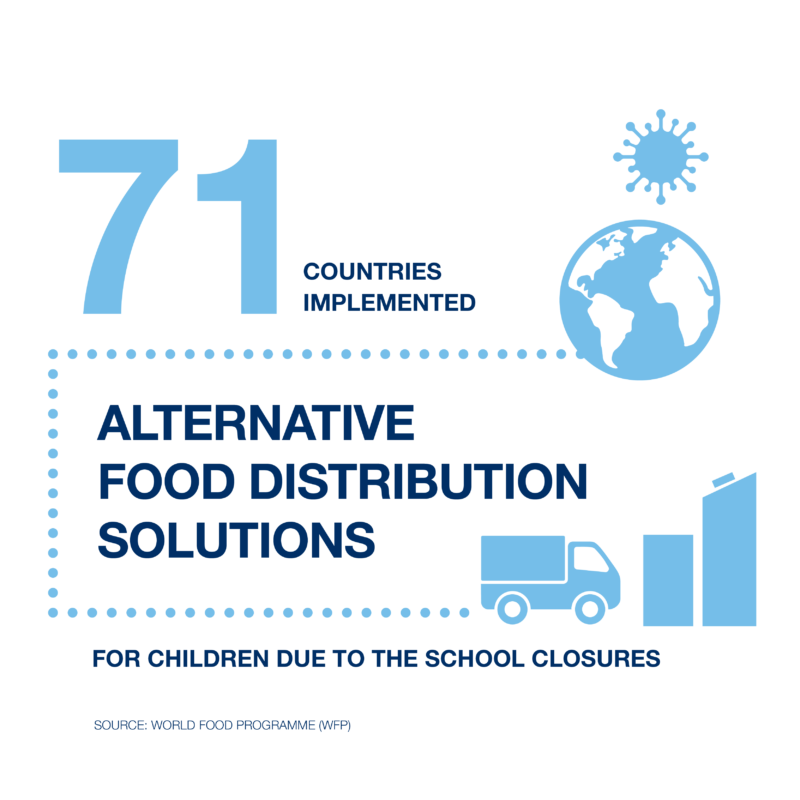
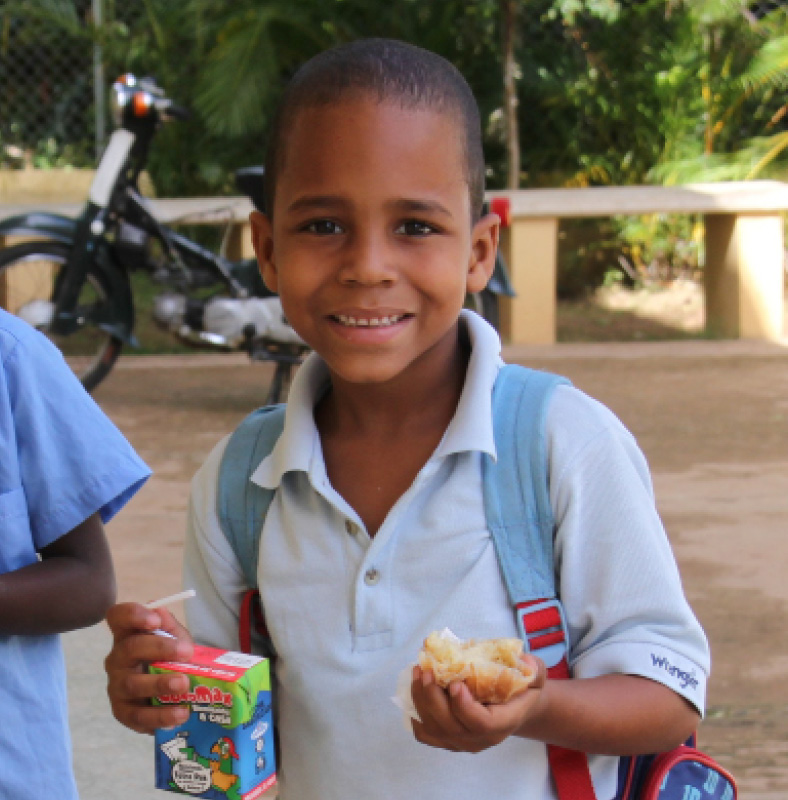
The Covid-19 pandemic has caused the largest disruption to education systems in history affecting nearly 1.6* billion children globally (UN – United Nations). Many children couldn’t attend school due to forced shutdowns, including 368 million children from 169 countries who usually depend on food they receive at school. To be able to continue with school feeding programmes, Tetra Pak and their partners intensified their collaboration and developed alternative food distribution solutions for school children around the world. According to the World Food Programme, 71 countries around the world implemented alternative food distribution solutions for school children due to the closures.
* Policy Brief Report: Education during Covid-19 and beyond, United Nations, 2020
** Global Monitoring of School Meals during Covid-19: https://cdn.wfp.org/2020/school-feeding-map/, World Food Programme
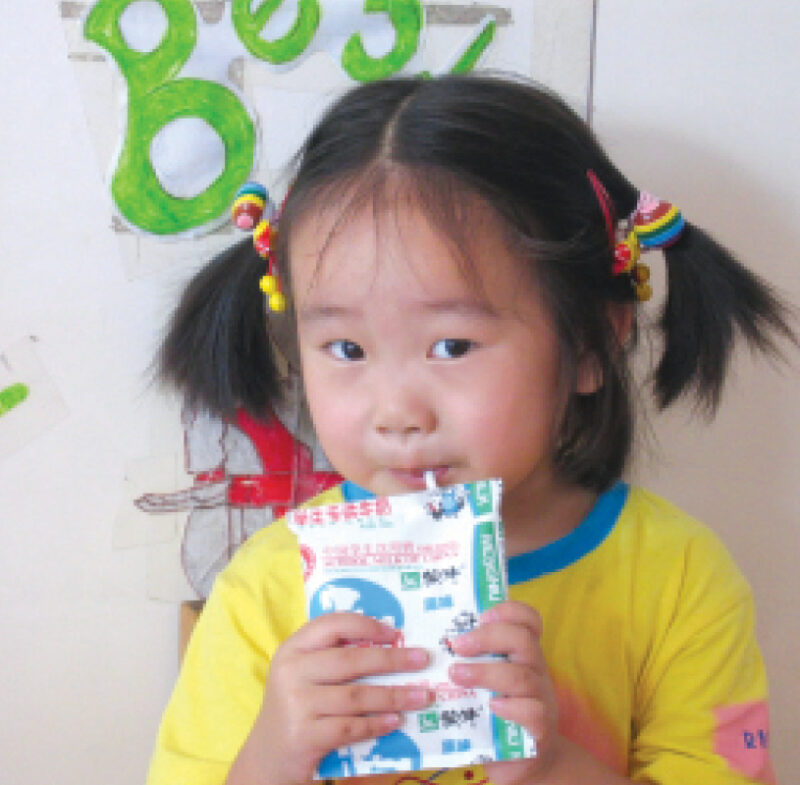
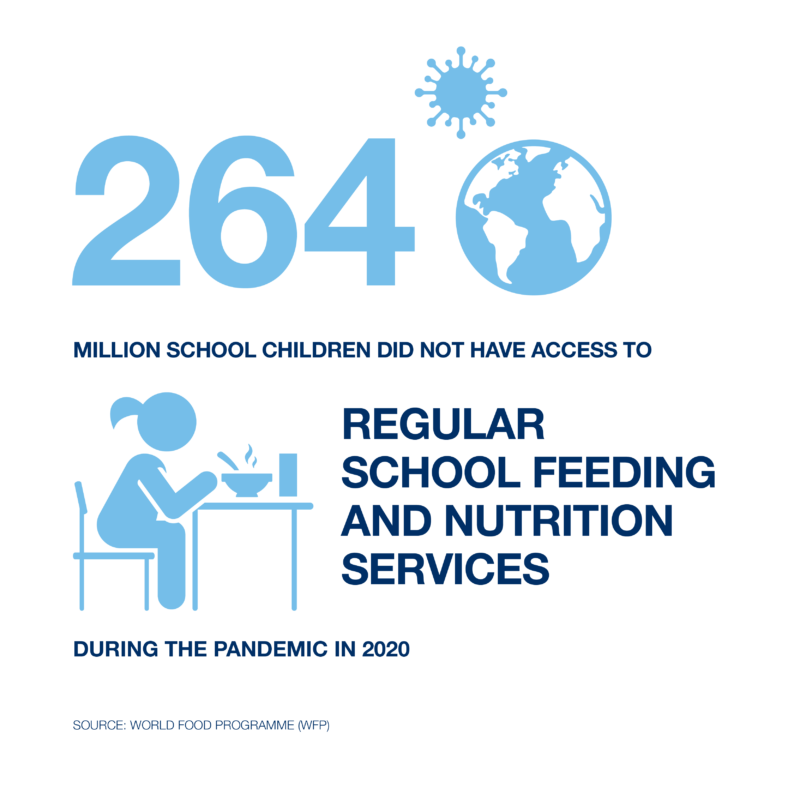
According to the UN, 94 per cent of the world’s student population has been affected by pandemic response measures throughout 2020. More than 264** million school children did not have access to regular school feeding and nutrition services during the pandemic in 2020 (WFP – World Food Programme). This left the most vulnerable children in a precarious situation – especially in countries that suffer extreme poverty and have infrastructure challenges.
Great teamwork brings innovative solutions
Through great teamwork, innovative solutions were rapidly developed around the world so that school feeding programmes could continue to distribute food safely to children. Tetra Pak supported customers and worked with local governments to implement alternative distribution solutions, such as parents collecting milk directly from schools or arranging delivery to students’ homes.
In China, to enable online orders without face-to-face handover, milk was delivered to storage cabinets that parents unlock using a password shared by mobile. In Japan, take-away meals were offered at discount prices. The Peruvian Air Force transported more than 18 tonnes of food to remote schools in the Amazonas, including UHT milk. In India, states provided UHT milk and ingredients for the Mid-Day Meal Scheme to be sent to children’s homes instead of being cooked in school kitchens.
Strengthening partner collaboration and sharing best practices
“During the pandemic, we have learned invaluable lessons including the need for increased investments in health, education, and local agriculture development,” says Rafael Fábrega, Food for Development Director at Tetra Laval. “We continue to actively work in collaboration with customers and key stakeholders, both locally and globally, to share innovative solutions and best practices in school feeding programmes around the world.”
Despite the challenges caused by the pandemic, school feeding programmes also ensured the entire dairy value chain continued to function. This has been extremely important for many rural communities around the world, as dairy production plays a key role in supporting the livelihoods of smallholder farming communities.
The Tetra Laval Group donated €10 million to pandemic relief
As a response to the COVID-19 pandemic, the Tetra Laval Group decided in 2020 to donate €10 million to various voluntary organisations supporting the health care systems in countries where the Group operates. This initiative was taken to mitigate the effects of the COVID-19 pandemic. While maintaining important measures to ensure the health and safety of its employees, the Tetra Laval Group, with its three industry groups, is fully committed to play its part in ensuring uninterrupted food supplies during these difficult times.
Tetra Pak and Tetra Laval Food for Development help to set up the first Dairy Hubs in Albania
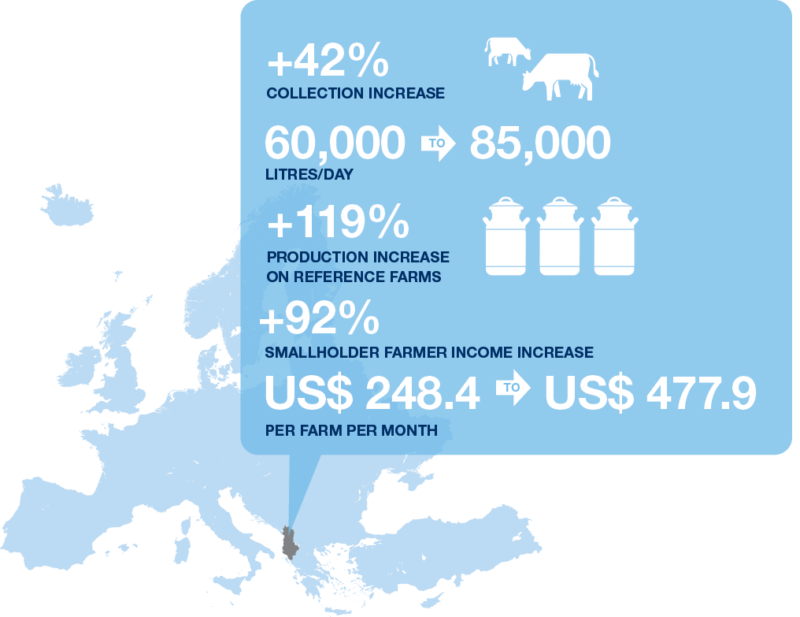
Albania is keen to develop its agricultural sector having low milk production yields per cow and only about half of the milk produced in the country is formally processed. To support this development, Tetra Pak and Tetra Laval Food for Development have launched a three-year technical assistance project with dairy processors Agroal & Global Services, Sh.p.k. (AGS) and Lufra, Sh.p.k. (Lufra) to establish the first Dairy Hubs in Albania. Since loose milk is still being consumed in the market, the project aims to improve milk quality and food safety by linking farmers to a formal dairy value chain. After 16 months, the supply of milk to Lufra has increased by almost 42 per cent, from 60,000 to 85,000 litres per day. Smallholder farmer monthly income has also increased by 92 per cent, from US$248.4 to US$477.9 per farm.
According to the International Farm Comparison Network (IFCN), milk in Albania is mainly produced by smallholder farmers and the average dairy farm has 1.7 cows. Annual yields are low with an average of 3 tonnes per cow, which is less than a third of what an average Swedish cow produces. The United Nations Food and Agriculture Organization (FAO) estimates that 45 per cent of local milk consumed is unprocessed, and is often sold as loose milk directly to households. Food safety is an issue as the milk is not safely processed and packaged, spoils quickly and exposes consumers to health risks.
3,000 smallholder dairy farmers to be enrolled
The initiative is focused on developing a formal milk collection infrastructure and providing technical assistance to smallholder dairy farmers. By setting up the first dairy hub, more than 3,000 smallholder dairy farmers will be enrolled, with the objective of helping smallholder farmers to increase their income and lift them out of poverty. Through the Tetra Laval Food for Development team’s dairy farm specialists, technical assistance is provided to train extension officers (staff of the dairy processors), farmers and school milk stakeholders. All of the milk produced is purchased by dairy processors, which provides a secure income for the farmers and an opportunity to grow and develop their business.
So far, the results are promising. AGS and Lufra have invested in new cooling centres for the collection of milk and have hired extension staff and veterinarians to support the farmers. The supply of milk to the processors is increasing and milk quality is improving. After 16 months, the supply of milk to Lufra has increased by 41.6 per cent, from 60,000 to 85,000 litres per day. In the reference farms supplying AGS, milk production has increased by 119 per cent, from an average of 24.9 to 54.5 litres per farm per day after 7 months of training. Smallholder farmer monthly income has also increased by 92 per cent, from US$248.4 to US$477.9 per farm.
The first school milk programme in Albania
Increased milk consumption will drive the demand for quality milk from the formal dairy sector in the long term. The FAO and the Ministry of Agriculture and Rural Development have agreed with Tirana Municipality to start a pilot school milk programme. Children will receive 200 ml of UHT milk every school day. Albania has never had a school feeding programme and the schools are not equipped to serve cooked meals. Therefore, this initiative will benefit the school children who will receive much needed safe nutrition that is ready-to-drink.